Doris Dorrie has made more than 30 feature films since 1976 to become one of the most famous filmmakers in her native Germany. Her films include Bliss, How to Cook Your Life, Naked, and Am I Beautiful? Besides making films, Doris Dorrie has staged several operas since 2001 and is a well-known author of short stories and novels, among them The Blue Dress (2002).
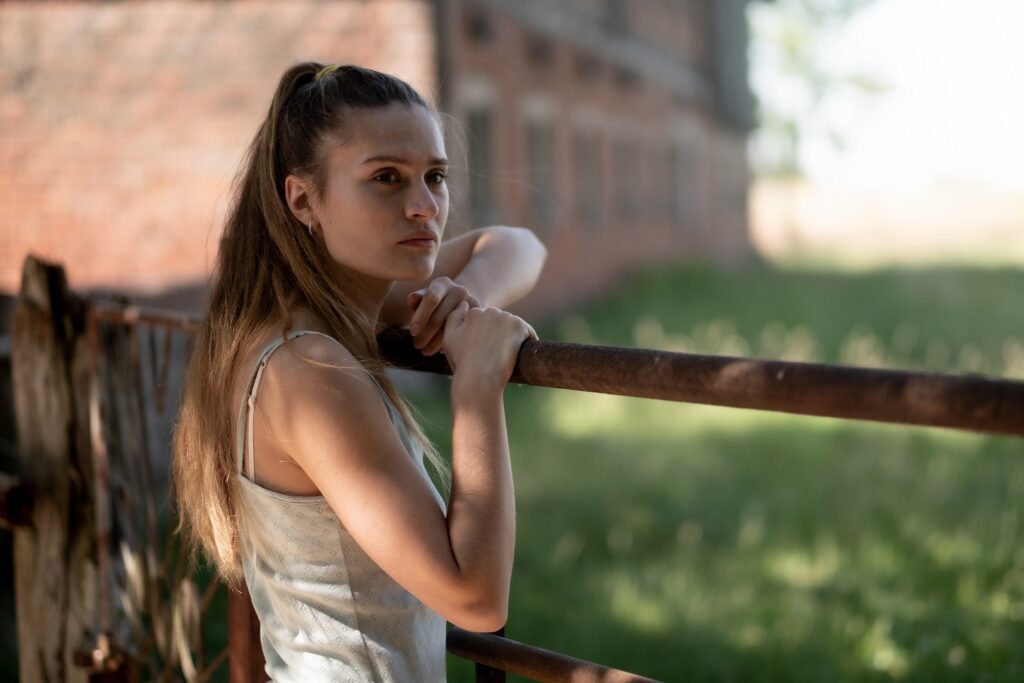
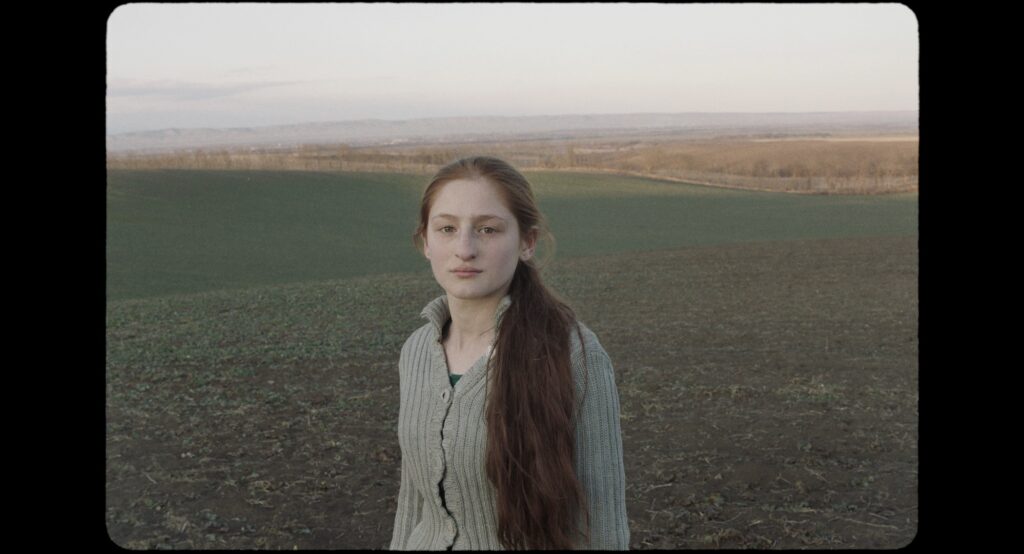
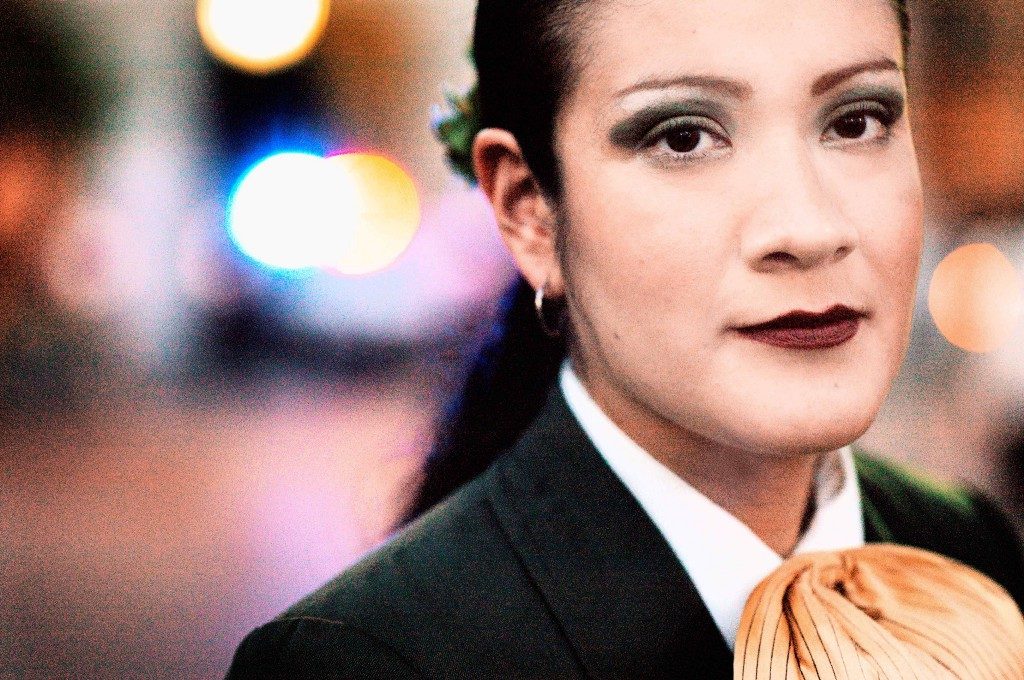
In her newest film, Dorrie explores mariachi, an essential part of Mexican culture that’s more than just music, but a lifestyle that views the world from a macho perspective. The business is tough and women are seldom appreciated in this strictly male domain. Nevertheless, a handful of female musicians choose to be Mariachi. Against the backdrop of the folky “Dia de los Muertes” celebrations, Dorrie accompanied the musicians to their performances on the streets of Mexico and throughout their daily lives. (Press materials)
Que Caramba Es La Vida will debut at SXSW on March 11.
Please give us your description of the film.
Several women of different age groups who love music and work as mariachi fight their way through everyday life in Mexico City.
What drew you to this story?
I wanted to tell a different story about Mexico than the one about the drug war that we hear constantly, and that (at least in Europe) is the only association that we have to Mexico. My experience is a very different one, and I have always been very impressed with the rich folk culture of Mexico and how this has always been not only an anchor, but also a salvation in difficult times. How this is practiced by women in a primarily male-dominated art form like mariachi music is the main focus of the film.
What was the biggest challenge in making the film?
To spend every day for six weeks on the Plaza Garibaldi [the center of mariachi in Mexico City]. But since I am from Munich and “Octoberfest-trained,” I managed.
What advice do you have for other female directors?
Be aware of dogs and keep dancing.
What’s the biggest misconception about you and your work?
That at times it’s not being taken as seriously as a man’s.
Do you have any thoughts on what are the biggest challenges and/or opportunities for the future with the changing distribution mechanisms for films?
A fragmented audience is the biggest challenge, but also with new ways of distribution the biggest opportunity in my opinion. The biggest obstacle though for all of us is our general exhaustion from consuming too many images.
Name your favorite women directed film and why.
All films by Agnes Varda. She makes documentaries, feature films, she mixes forms and styles, she keeps reinventing herself and her filmmaking, she’s been around for quite some time and is young at heart and spirit.